WHEN works to forge blended finance partnerships by leveraging public-private sector partnerships to address the women’s health financing gap. WHEN provides a platform for high-level leaders from DFIs, G7 governments, the private sector, philanthropy, and the investor community to highlight the resources needed to harness the untapped potential of blended financing structures to drive more innovative and equitable health solutions.
WHEN aims to increase and de-risk investment in women’s health and economic empowerment by translating economic evidence into actionable, high-impact blended finance investment opportunities. Designing blended finance models using evidence-based approaches that optimize health, economic, and financial impacts allowed WHEN to make a $100 million commitment to address cervical cancer in South East Asia. WHEN is also scaling investment into solar for health initiatives that require blended finance structures to improve women’s healthcare in LMICs through the strategic use of development finance and philanthropic funds to mobilize additional private investments.
Cervical cancer is the second most common cancer affecting women in Indonesia, accounting for a high burden of disease with significant morbidity and mortality. Annually, there are over 36,000 new cases and approximately 21,000 deaths attributed to cervical cancer in Indonesia. These figures underscore the urgent need for a scalable, high-quality cervical cancer prevention and control strategy.
While Indonesia has initiated efforts to expand HPV vaccination and promote awareness of cervical cancer screening, screening coverage remains low. A significant barrier to scaling up screening is the lack of access to accurate, affordable, and acceptable diagnostic technologies, particularly in low-resource and rural settings.
There is an urgent need to develop clinical validation models for emerging HPV diagnostic tests—especially low-cost, point-of-care, and self-sampling compatible tests—to enable evidence-based selection, scale-up, and integration into Indonesia’s national screening guidelines. Many diagnostic manufacturers are hesitant to invest in early-stage clinical validation in LMICs due to high upfront costs, complex regulatory environments, and uncertain demand. Similarly, governments may lack the resources to fund large-scale validation and procurement without evidence of value for money.
Furthermore, innovative financing models for expanding surgical, obstetric, and anesthesia are required to support countries in developing a comprehensive approach to financing surgical care, improving access to life-saving surgical services, and strengthening health system resilience. Key investment areas such as infrastructure development for surgical centers, medical equipment procurement, workforce training, digital health integration for perioperative care, and supply chain resilience for essential surgical supplies and anesthesia drugs will yield economic benefits while increasing surgical care delivery and patient outcomes.
Blended finance offers a mechanism to align public health goals with private sector efficiency, by using public or philanthropic funds to de-risk private investment and crowd in additional capital for scale-up.
At WHEN we believe that access to comprehensive, affordable health care is a right that should not be restricted by geographic location or socioeconomic status. WHEN is brokering partnership between the public and private sectors to design financial and technical assistance solutions to Indonesia’s needs.
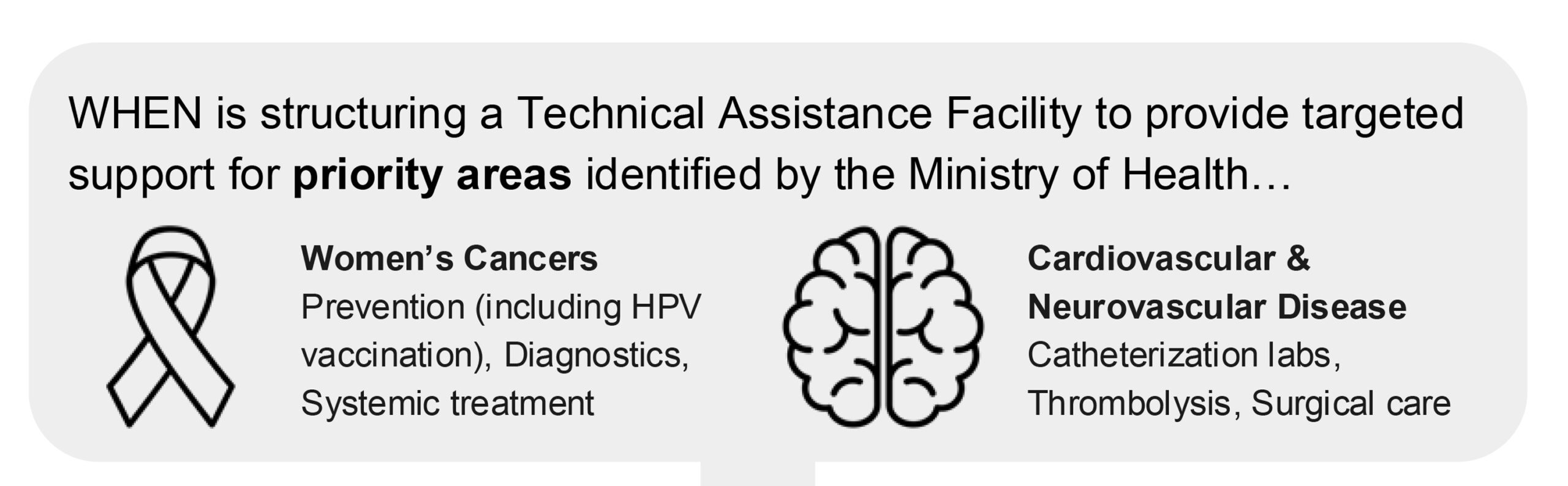
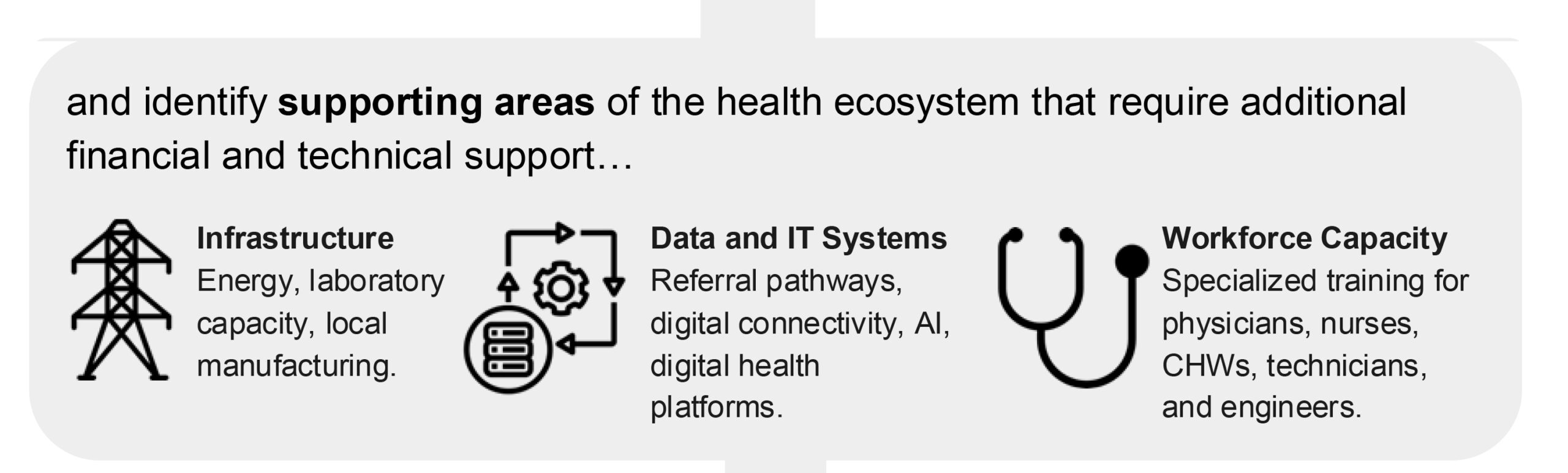
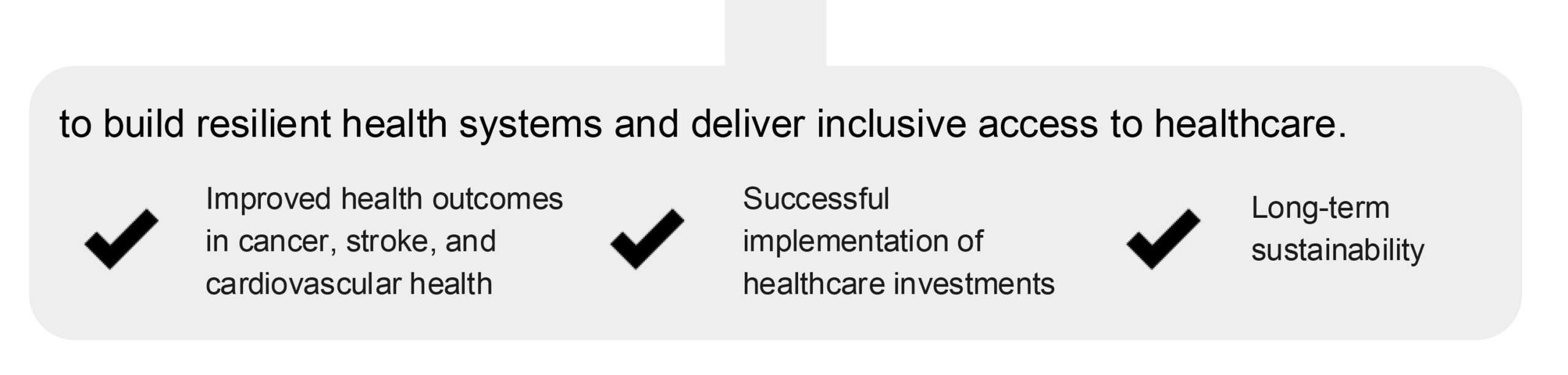
The Technical Assistance Facility will take a holistic approach to closing persistent gaps in Indonesia’s women’s health and NCD care ecosystem—addressing:
- workforce development,
- service readiness,
- regulatory pathways, and
- data integration.
By delivering coordinated, demand-driven support across these areas, the Facility will strengthen market conditions and accelerate the scale-up of sustainable and high-quality care solutions.
The Technical Assistance Facility will operate alongside Special Purpose Vehicles (SPVs) investing in Indonesia’s health system, providing concessional first-loss capital to de-risk investments and catalyze private participation.
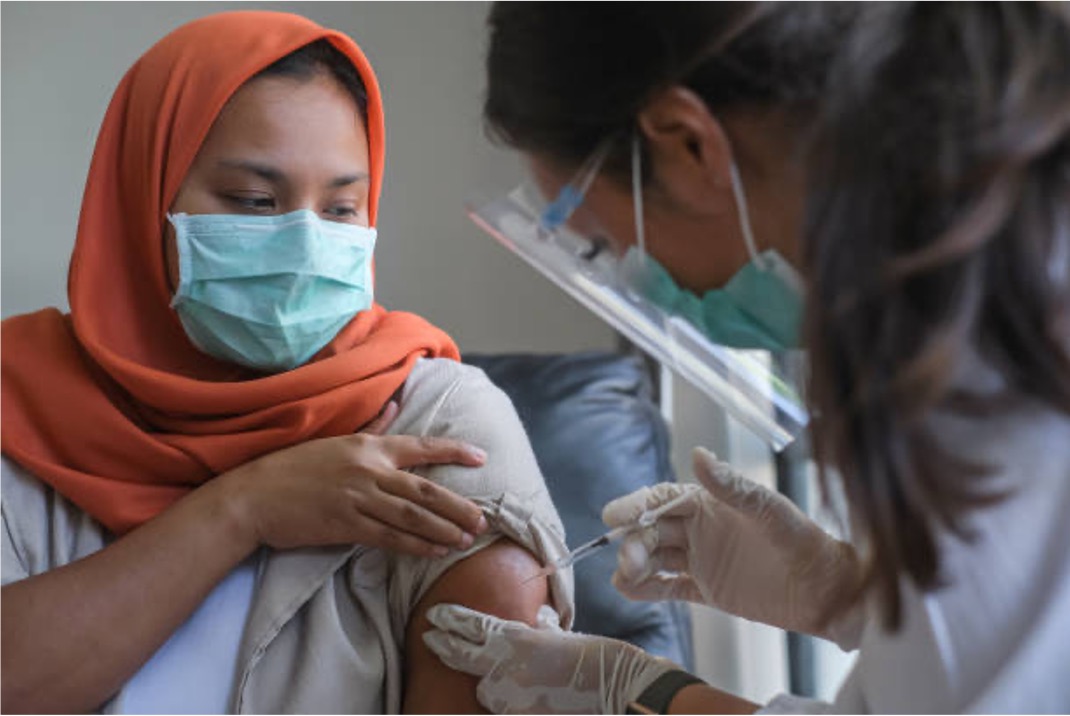
The technical assistance facility will work with public and private actors to support the implementation of existing and proposed deals in women’s cancer and interventional cardiology and vascular medicines in Indonesia.
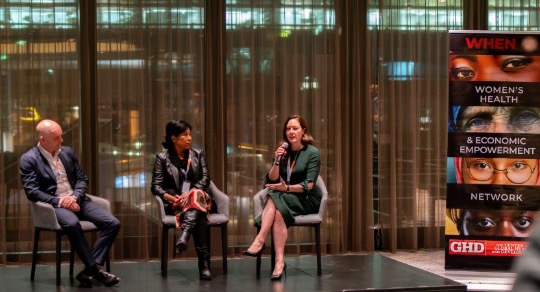
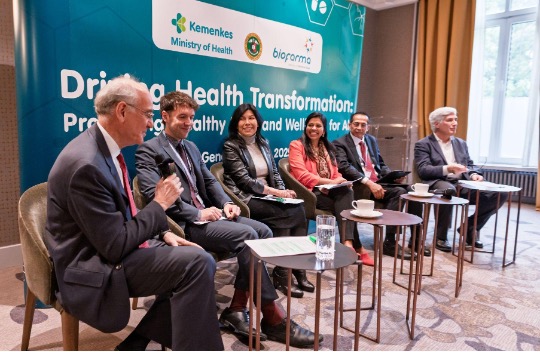
WHEN regularly convenes high-level strategic meetings with partners to design and structure the blended finance platform. These sessions bring together WHEN’s network of partners, women investors and philanthropists with the goal of furthering Indonesia’s NCD agenda via sustainable finance and technical assistance solutions.