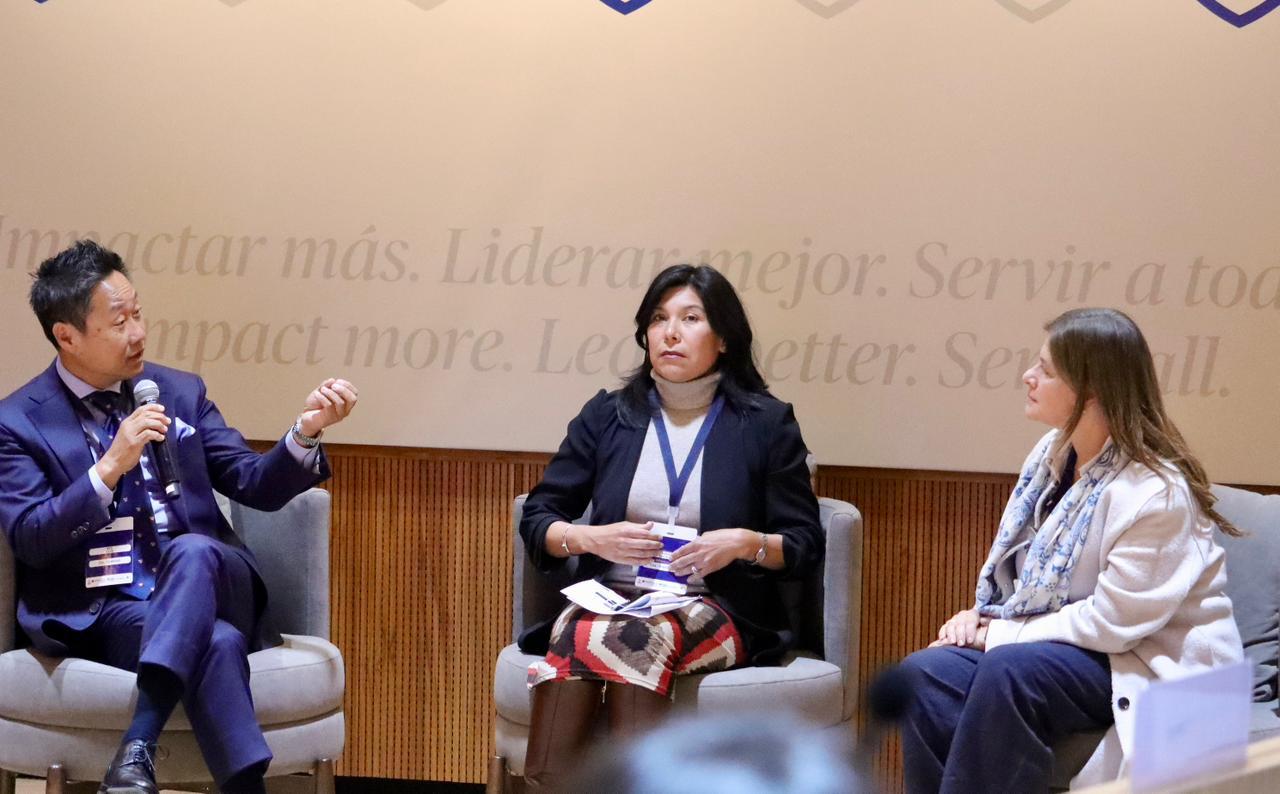
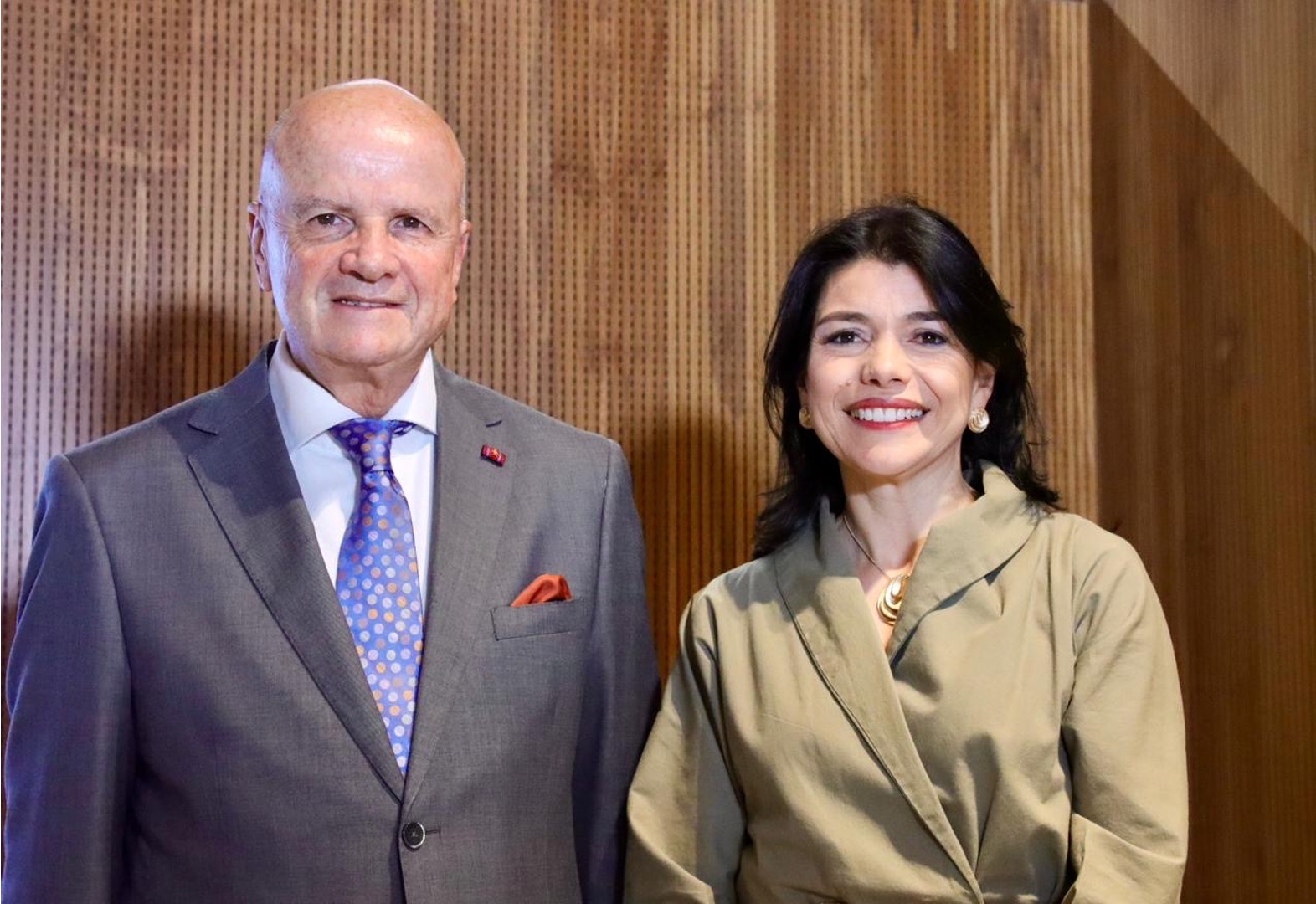
As health systems across Latin America face mounting pressure to finance essential surgical care, regional leaders are turning to blended finance as a viable solution. Senior government officials, development finance institutions, global health leaders, and civil society organizations gathered at the School of Government of Universidad de la Sabana and left with a mandate: build the financing architecture to make surgical care sustainable across Latin America and the Caribbean (LAC).
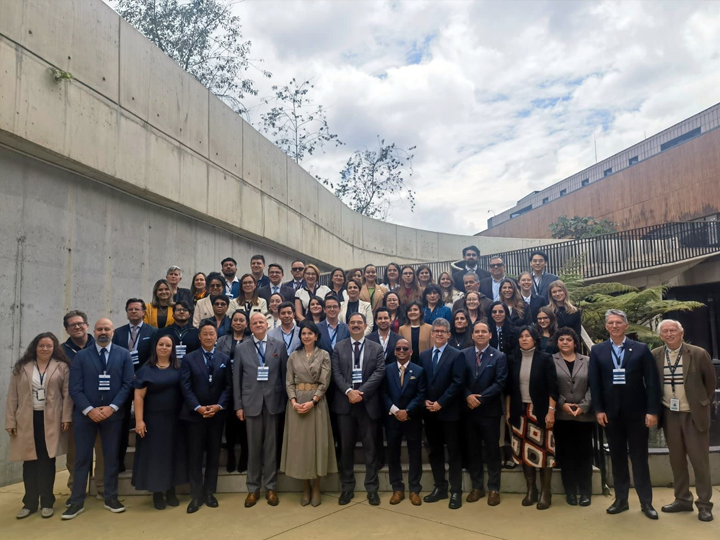
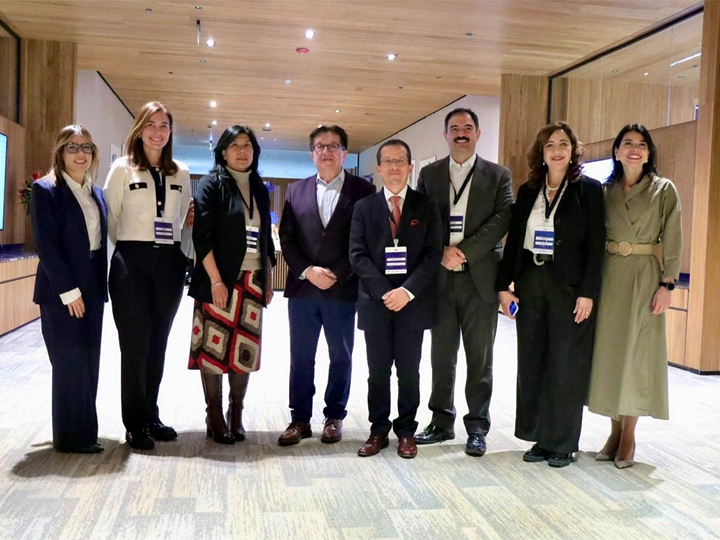
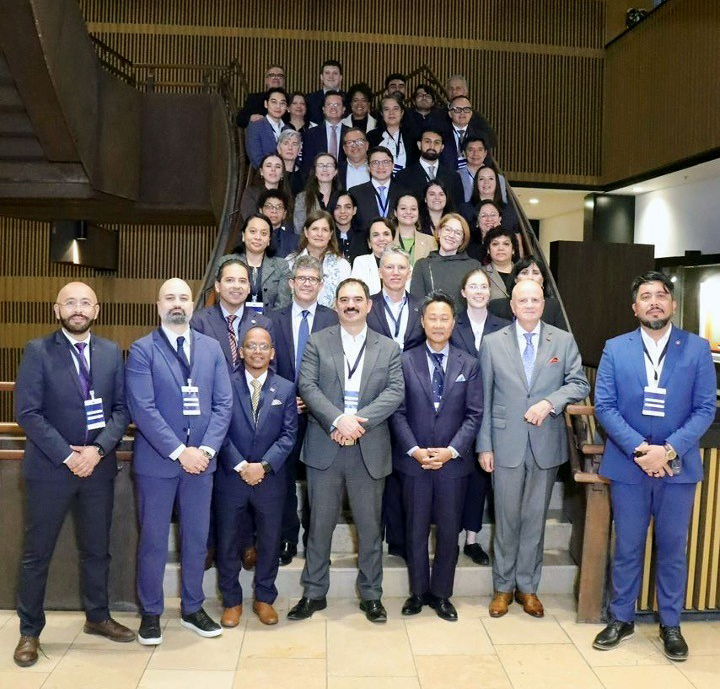
The forum was hosted by Universidad de La Sabana and convened with Operation Smile, Harvard’s Program in Global Surgery and Social Change (PGSSC), Corporación Latinoamericana para la Salud and the Women’s Health and Empowerment Network (WHEN). Over two days, participants identified priority countries, defined capital stack logic, and committed to a structured co-design process with concrete deliverables ahead of the World Health Assembly.
The workshop identified countries and coalitions with enabling conditions for blended finance, aligned participants on a structured co-design process and advanced a pipeline of country-led financing opportunities. These efforts will move forward through multiple pathways, including continued technical collaboration and the presentation of investment-ready proposals at the Women’s Health and Economic Empowerment Network (WHEN) Summit at the World Health Assembly, co-hosted with Universidad de La Sabana, Corporación Latinoamericana para la Salud, Harvard’s PGSSC and Operation Smile. Regional and global health commitments are now being translated into investable financing structures.
Twelve countries sent delegations to Chía, each committing to advance sustainable financing for surgical care within their health systems: Argentina, Belize, Brazil, Chile, Colombia, Dominican Republic, Ecuador, Guatemala, Honduras, Mexico, Peru, and St Vincent & The Grenadines. Their participation signals a regional coalition ready to act.
Additional participants in the discussion included multilaterals, foundations, development banks, and private equity firms, such as Global Health Investment Corporation (GHIC).
The urgency of this initiative is underscored by a body of evidence presented at the forum by Harvard’s PGSSC. Globally, an estimated 5 billion people lack access to safe, timely, and affordable surgical care — and the burden falls disproportionately on low- and middle-income countries in Latin America and beyond.

PEOPLE LACKING ACCESS TO SAFE, TIMELY SURGICAL CARE GLOBALLY

Of global disease burden requiring surgical management
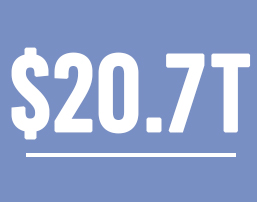
Projected cumulative economic loss from untreated surgical conditions, 2015–2030
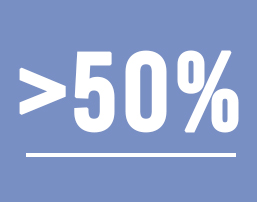
Of those losses occurring in low- and middle-income countries
Research has identified Latin America as a region with growing momentum for national surgical plans and strategies to address the disparity in access to surgical care affecting 365 million Latin Americans. This body of work has also highlighted the importance of robust and government-owned financing models that can sustain and scale their implementation.
A companion analysis of innovative financing mechanisms published in BMJ Global Health further demonstrated that blended finance — combining catalytic public grants with private capital — is an untapped but viable pathway to expanding fiscal space for surgical care in the region.
The momentum is building at the regional level. In a landmark development coinciding with this workshop, CAF — the Development Bank of Latin America and the Caribbean — announced the creation of the Fondo de Inversión de Impacto en América Latina y el Caribe (FIIALC): the first regional impact investment fund of its kind in multilateral banking. With an initial CAF allocation of up to USD 20 million and a target fund size of USD 100–150 million, the FIIALC is designed to mobilize institutional capital — from pension funds, foundations, and multilateral development banks — toward initiatives that deliver both financial returns and measurable social impact. This announcement signals that the enabling environment for blended finance in Latin America is not a future aspiration; it is being built now.
WHEN
The Women’s Health and Economic Empowerment Network (WHEN) is a blended finance and innovation platform dedicated to expanding access to healthcare, capital, and opportunity for women worldwide. Founded to align leaders across G7 governments, UN agencies, the private sector, and philanthropy, WHEN designs and scales solutions that unlock financing for emerging sectors, including health, education, energy, and entrepreneurship.
The Network works across the full financing spectrum—from technical assistance and grant capital to concessional loans, guarantees, and equity investment—helping programs close critical funding gaps and achieve sustainable, systems-level impact. WHEN creates enduring impact through our funds and deal structures to advance women’s health and economic empowerment. Centering gender equity, social inclusion, and sustainability into every initiative not only improves outcomes for women and girls but also unlocks broader health and economic gains that benefit entire communities and the world as a whole.
Program in Global Surgery and Social Change, Harvard Medical School
The Program in Global Surgery and Social Change (PGSSC) at Harvard Medical School is a multidisciplinary initiative dedicated to advancing universal access to safe, timely, and affordable surgical, anesthesia, and obstetric care globally, with a strong focus on social justice, equity, and evidence-based solutions. Founded in 2010, PGSSC brings together faculty, fellows, and collaborators from clinical, public health, policy, and research backgrounds to strengthen surgical systems—especially in low- and middle-income countries—through research, policy, advocacy, and education. The program fosters partnerships with local and international stakeholders to drive sustainable improvements in surgical access and outcomes.
Operation Smile
Operation Smile is a globally recognized nonprofit, founded in 1982, that specializes in providing free, safe surgery and care to children and young adults living in countries with under-resourced health systems. It has delivered over 500,000 surgeries and reached more than 1,000,000 patients with broader care in recent years. Operation Smile also invests in local healthcare systems, trains medical professionals, and partners with governments and corporations to ensure sustainable access to quality treatment and to empower underserved communities.
Corporación Latinoamericana para la Salud
Corporación Latinoamericana Para la Salud is a regional nonprofit organization focused on improving health outcomes throughout Latin America. CLS works to strengthen health systems, promote health equity, and support the development of sustainable healthcare strategies by collaborating with governments, academic institutions, and international partners. Their initiatives often emphasize capacity building, policy advocacy, and the implementation of innovative health solutions tailored to the needs of underserved populations across the continent.
Universidad de La Sabana
Universidad de La Sabana is a leading private university in Chía, Colombia, widely recognized for academic excellence, high-impact research, and a strong commitment to social transformation. Beyond its educational mission, the University has emerged as a regional, and increasingly global, leader in shaping health and development agendas through evidence-informed policy engagement. Through its health sciences programs and interdisciplinary academic ecosystem, Universidad de La Sabana advances innovation in medicine, public health, and health systems strengthening, while actively convening partnerships across academia, government, civil society, and international organizations. Its contribution extends from knowledge generation and academic leadership to policy translation and strategic convening, helping drive concrete action on priority health challenges in Latin America and the Caribbean and positioning the University as a trusted platform for dialogue, advocacy, and implementation-oriented solutions.
WHEN (Women’s Health & Economic Empowerment Network)
Taylor Bourne, Director of Programs
tbourne@cghd.org | +1 (202) 467-8370